
The Ultimate Buying Guide for Solar Panels & Inverters in 2023
Navigating the world of solar panels and inverters can be daunting, especially for UK renters and flat-dwellers looking to harness renewable energy without extensive modifications. This guide will equip you with essential knowledge on what to look for when buying solar solutions, how to avoid common pitfalls, and our top product recommendations to help you make a confident purchase decision.
When considering solar panels and inverters, there are several critical factors that can make or break your experience. Here are the key elements to consider:
Watts Output: The wattage of a solar panel determines how much electricity it can generate. Look for panels with higher wattage for better energy production, especially if you plan to power multiple devices or appliances. For example, the DOKIO 100W panel is excellent for small-scale use, while the Renogy EFLEX-CORE 200W is ideal for larger setups.
Efficiency and Type of Panel: Monocrystalline panels offer higher efficiency rates and better performance in low-light conditions compared to polycrystalline panels. For instance, the DOKIO solar panel features monocrystalline technology, which maximizes energy generation.
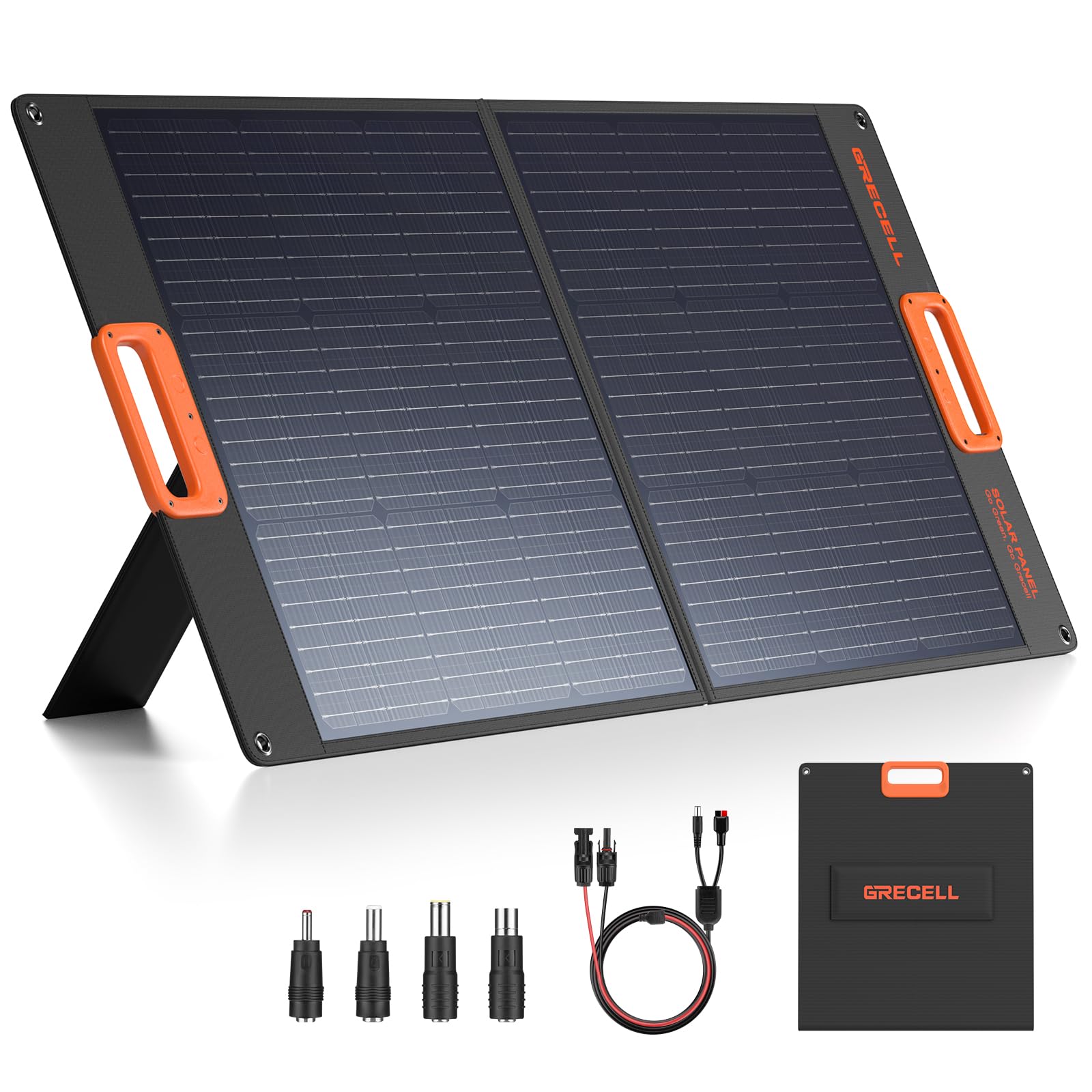
GRECELL 100W Solar Panel for Power Station Generator, 20V Portable Foldable Solar Cell Solar Charger with MC-10 High-Efficiency Battery, Solar Charger Charger for Outdoor Camping RV Hiking
Portability and Design: If you're a renter or live in a flat, portability is crucial. Look for foldable and lightweight options, like the Anker Solix PS30, which is easy to transport for outdoor activities or camping.
IP Ratings: The Ingress Protection (IP) rating tells you how well a panel can withstand water and dust. An IP65 rating, like that of the Renogy EFLEX-CORE, means the panel is resistant to water jets and dust, making it suitable for various weather conditions.
Inverter Compatibility: Understanding the inverter's output limits is vital. Make sure the inverter can handle the total wattage of the solar panels you choose. For example, if you're using the GRECELL 100W solar panel with a power station, ensure the station can accommodate the panel's output.
Common Mistakes to Avoid
Price Tiers
Top Picks
FAQ
Love picks like this?
Get weekly product recommendations straight to your inbox.
Curated by The Solar Plug on All The Top Picks
As an Amazon Associate we earn from qualifying purchases.