The Ultimate Guide to Buying Your First FDM 3D Printer in 2023
Welcome to the world of FDM 3D printing! This guide is designed to help beginners and seasoned makers alike navigate the exciting landscape of FDM 3D printers. You'll learn what features to look for, common pitfalls to avoid, and how to choose the right machine for your needs and budget.
When considering an FDM 3D printer, there are several key factors you should keep in mind:
Build Volume: The size of the print bed is crucial, especially if you're planning to print larger models. Most entry-level machines, like the Creality Ender 3 V3 SE (£199), have a build volume of around 220x220x250mm, while larger printers like the Creality Ender 5 Max (£689) offer up to 400x400x400mm. Consider what you plan to print and choose accordingly!
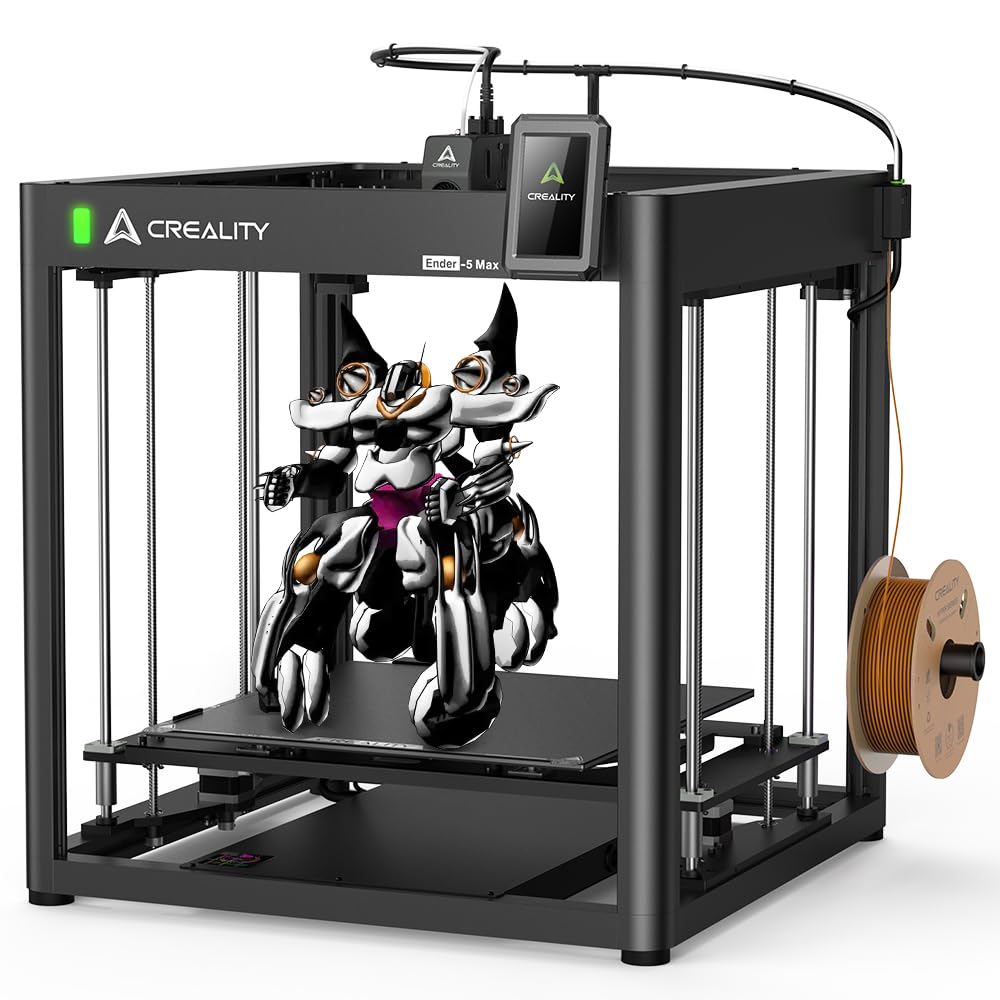
Creality Ender 5 Max 3D Printer, 700mm/s Max Printing Speed Large 3D Printer Build Volume 15.75x15.75x15.75 inch, Auto Leveling 300℃ High Temp Precise Linear Rail Dual Z Axis
Print Speed: Speed is often a balance between quality and efficiency. The Tina2 Plus (£249) boasts a speed of 250mm/s, making it a great option for quick prototypes, while the Creality Ender 5 Max can reach up to 700mm/s, perfect for larger projects.
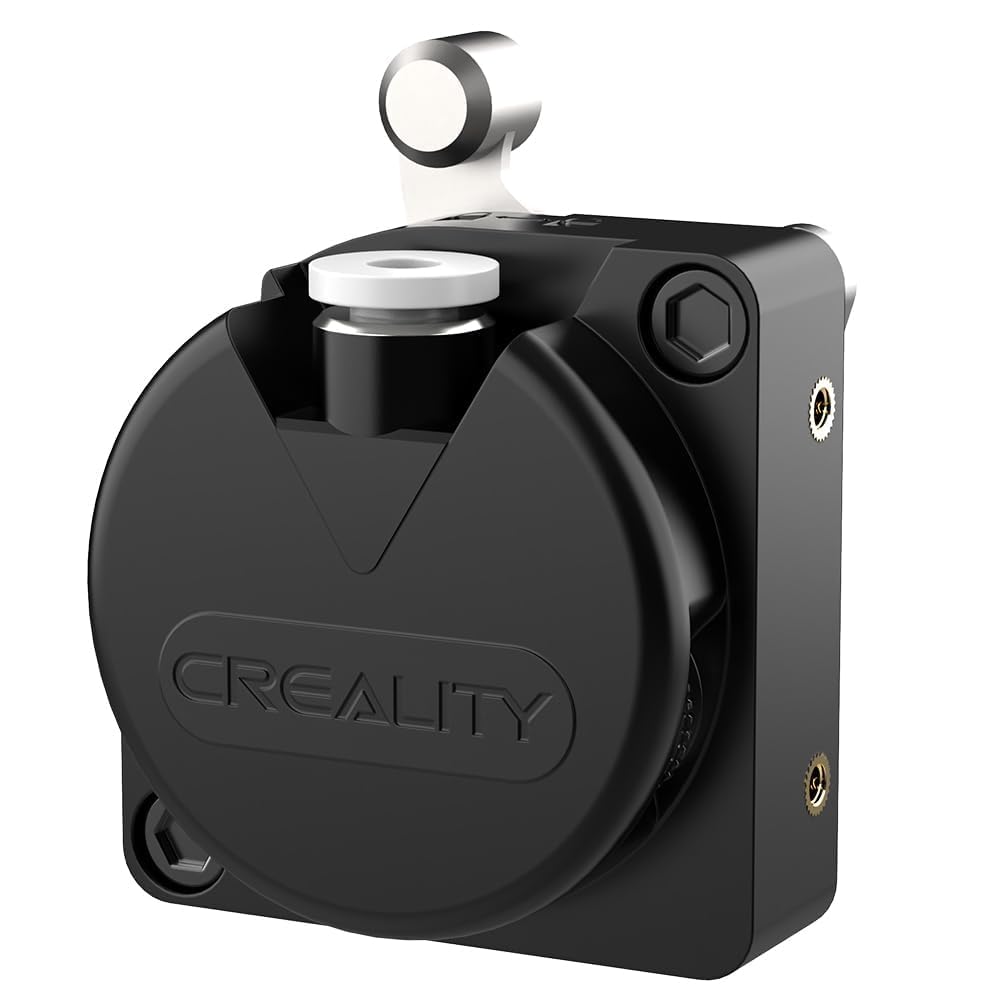
Creality Official K1 MAX Extruder Upgrade Accessory, Dual Gear Design Provide Smooth and Precise Feeding, Compatible with Creality K1 / K1 MAX / K1C / K1 SE/Ender 3 V3 Plus/Ender 3V3 3D Printers
Ease of Use: Features like auto bed leveling and touchscreen interfaces can simplify the printing process, especially for beginners. Printers such as the FLASHFORGE Adventurer 5M (£209) come with auto bed leveling, making setup a breeze.

FLASHFORGE Adventurer 5M 3D Printer: 600mm/s High-Speed, Auto Bed Levelling, Quick-Change Nozzle, 220x220x220mm PEI Build Plate for Rapid Prototyping & Makers
Material Compatibility: Ensure that the printer you're considering can handle the materials you want to use. Most FDM printers work well with PLA and ABS, but if you’re looking to print more advanced materials like TPU or PETG, look for models that explicitly support these. The WEEFUN Upgraded Tina2 (£150.44) is a versatile option for various filament types.

WEEFUN Upgraded Tina2 3D Printer, Auto Leveling DIY 3D Printers for Beginners, Fully Open Source with Resume Printing, LCD Screen and Removable Magnetic Build Plate, Work with PLA/PLA Pro/TPU Filament
Price and Support: Budget is a key consideration. Entry-level printers like the WEEFUN Updated Tina2S (£177.65) offer excellent value for beginners, while seasoned makers may want to invest in higher-end models like the Creality Ender 5 Max (£689) for advanced features and greater reliability. Always check customer support and community resources; a strong community can enhance your experience significantly.

WEEFUN Updated TINA2S 3D Printer, Ultra Silent Mainboard with WiFi Cloud Printing, Mini 3D Printer with Heatable PEI Platform, Auto Bed Leveling DIY 3D Printers with Resume Printing, Fully Open Source
Common Mistakes to Avoid
Price Tiers
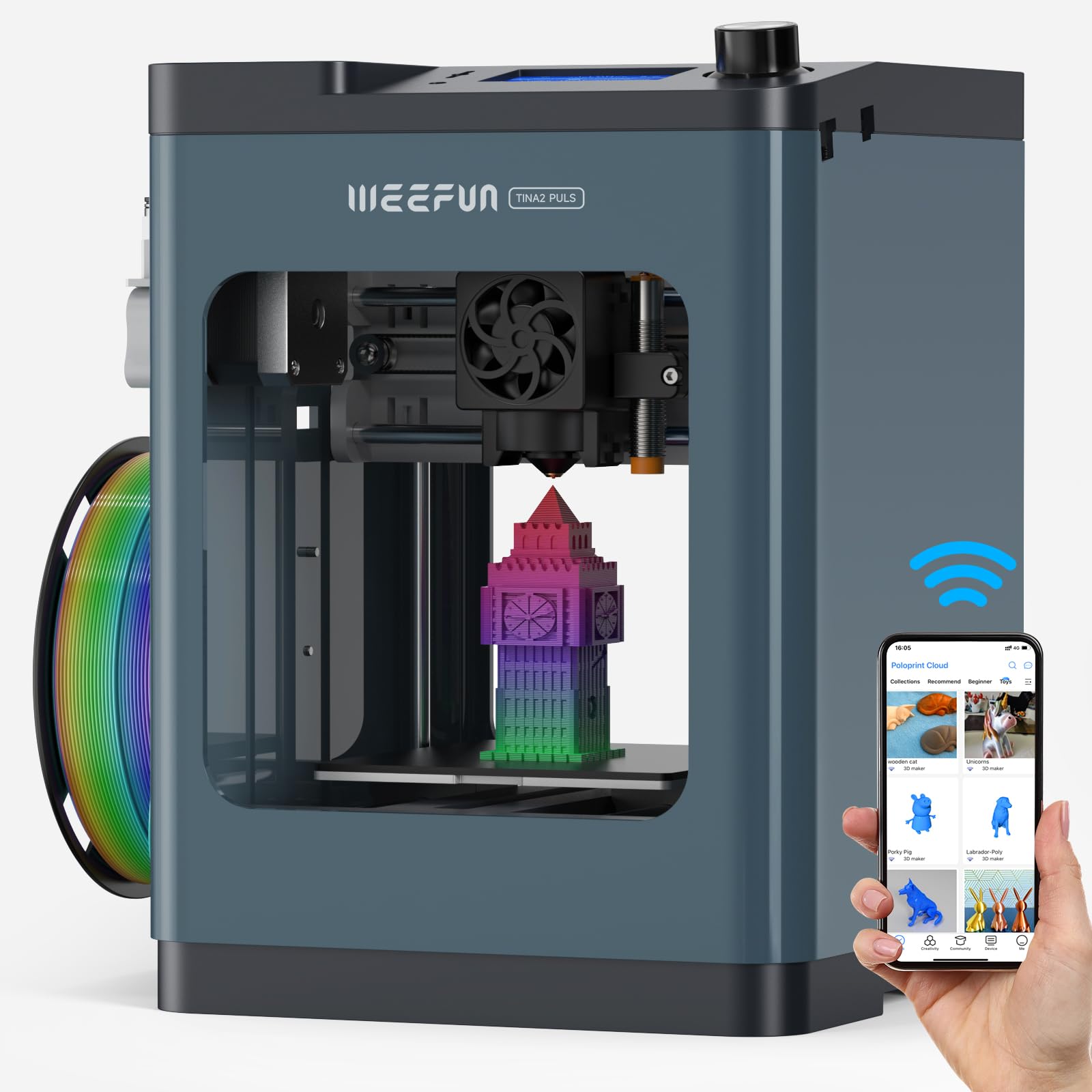
Tina2 Plus 3D Printer, WEEFUN 250mm/s High Speed FDM 3D Printers Fully Open Source, Auto Leveling Mini 3D Printer with WiFi Cloud Print, Fully Assembly 3D Printers for Beginners, Office, Home, School
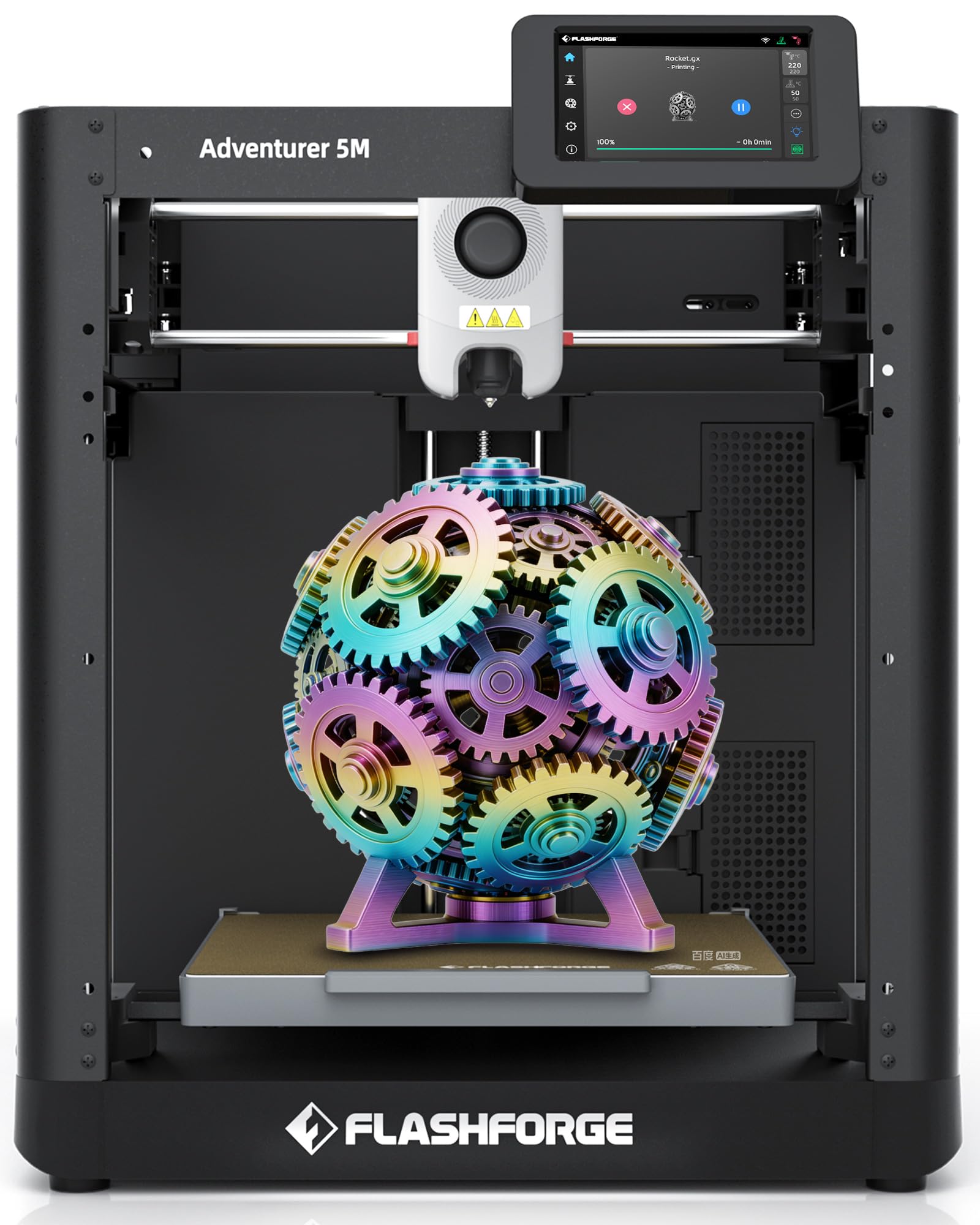
FLASHFORGE Adventurer 5M 3D Printer,600mm/s Max Speed Core XY 3D Printers with Auto Leveling,280°C Direct Extruder,3s Quick Swap Nozzle,Dual-Sided PEI Platform,DIY AD5M Enclosure,for Kids,Beginners
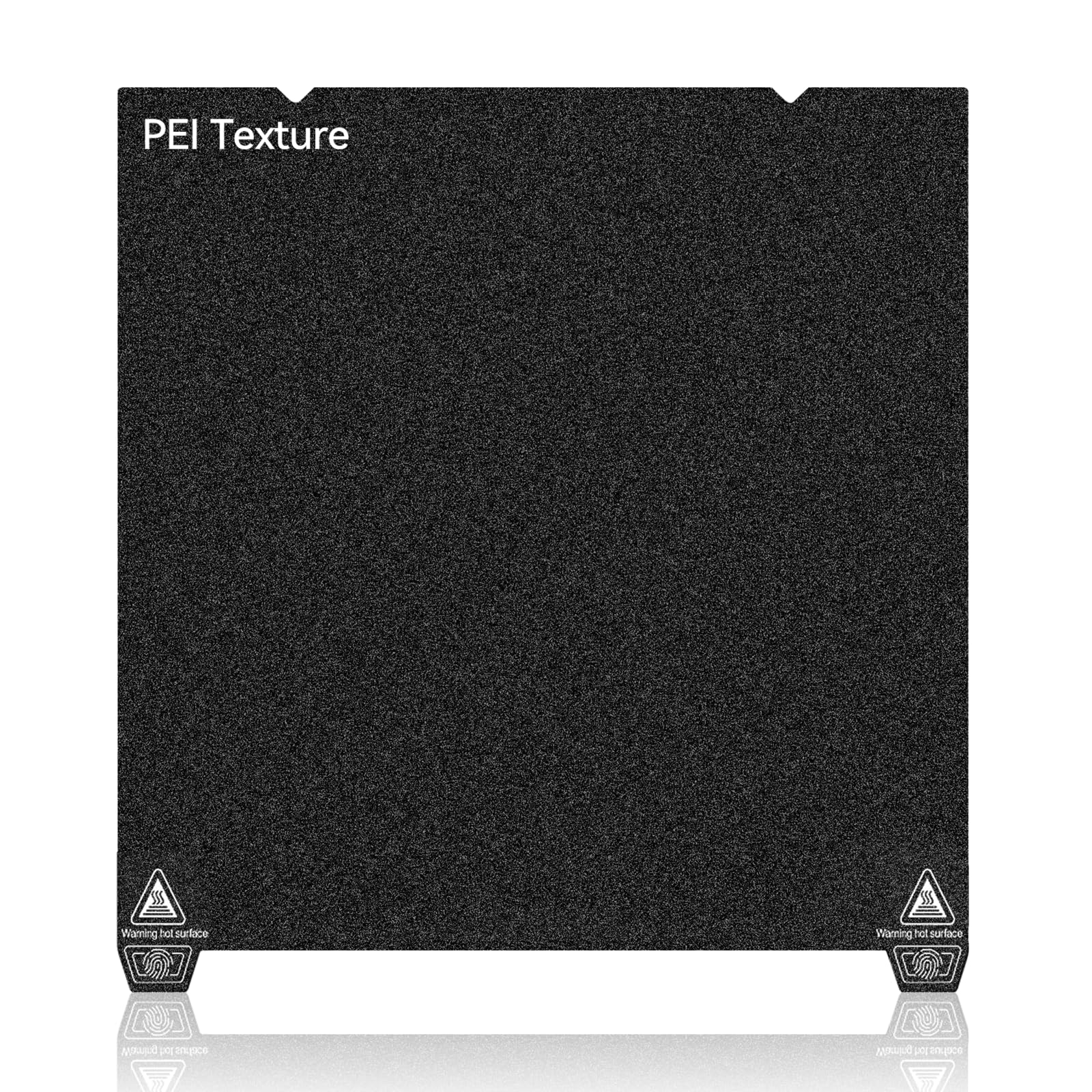
UniTak3D 310 * 315mm PEI K1 Max Build Plate Sided Textured Surface Heated Bed Printing Platform ONLY Compatible with Creality K1 MAX 3D Printer(NOT for Ender 3 S1 Plus or Ender 3 V3 Plus)
Top Picks

Creality Ender 3 V3 SE 3D Printer with 250mm/s Printing Speed CR Touch Strain Sensor for Auto Leveling Sprite Direct Extruder Dual Z-axis and Y-axis, 3D Printer for Beginner Print 8.6 * 8.6 * 9.8in
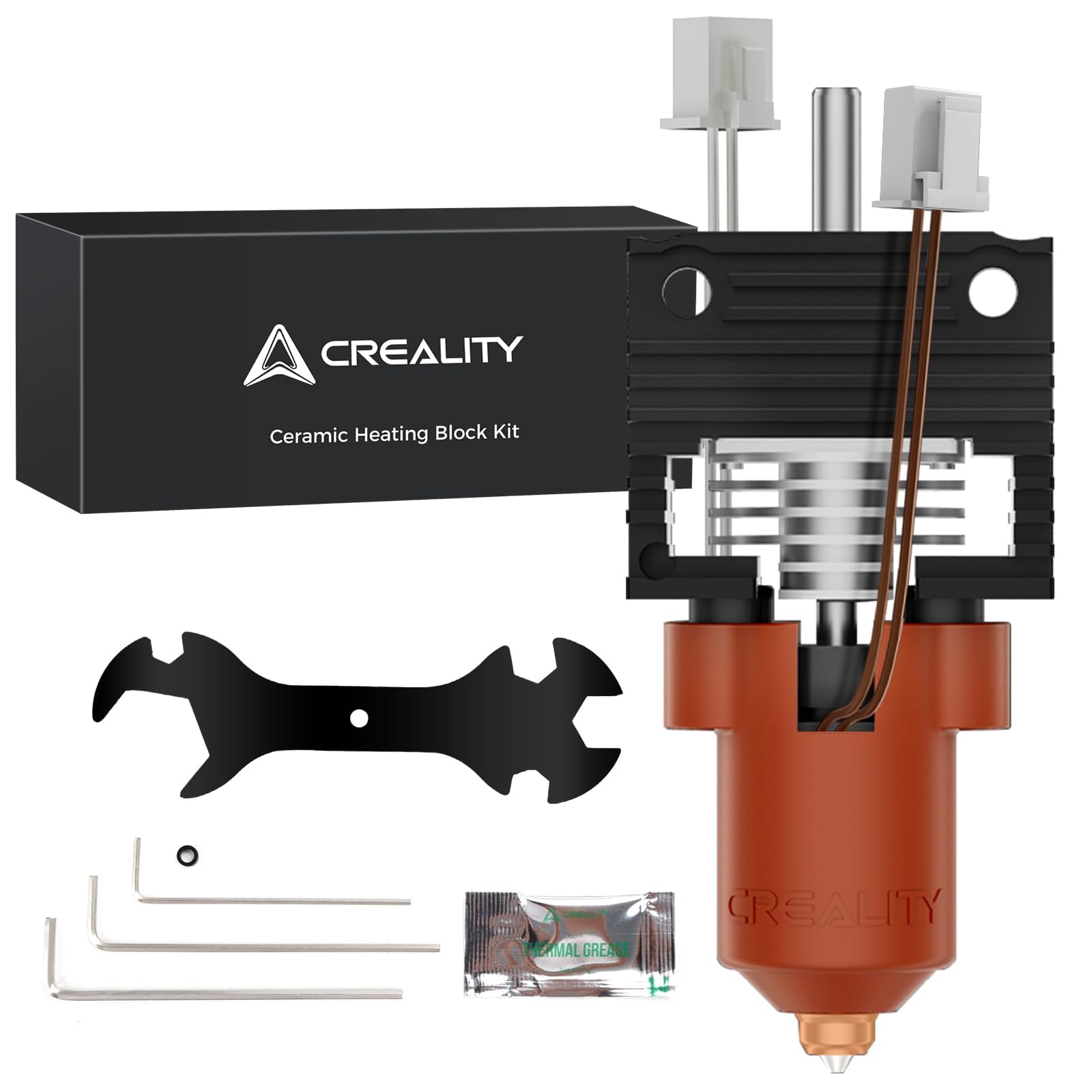
Creality Official K1/K1C/K1 Max Hotend Upgrades Ceramic Heating Block Kit, K1 Series Unicorn Quick-Swap Nozzle Kit, K1 SE 3D Printer Hotend 600mm/s High-Speed (Terminal with Buckle)
FAQ
A: Fused Deposition Modeling (FDM) is a 3D printing process that uses thermoplastic materials, extruding them layer by layer to create a 3D object.
A: Print times vary significantly based on your model's size and complexity, as well as your printer's speed settings. Small prints may take a few hours, while larger models can take several days.
A: Most FDM printers work well with PLA and ABS, but many can also print with PETG, TPU, and others. Check your printer’s specifications to confirm compatibility.
Meta Description
Explore our comprehensive buying guide for FDM 3D printers. Discover top picks, key features, and tips for making a confident purchase!
Love picks like this?
Get weekly product recommendations straight to your inbox.
Curated by The Print Lab on All The Top Picks
As an Amazon Associate we earn from qualifying purchases.