
Deciding Between NiPoGi P2 and Pinova P1: Which Mini PC Reigns Supreme?
Choosing the right mini PC can be daunting, especially with similar specifications and pricing. The NiPoGi P2 and Pinova P1 both feature the powerful AMD Ryzen 4300U processor and offer impressive RAM and storage options. This comparison will help you weigh the pros and cons of each model, ensuring you make an informed decision that aligns with your needs, whether for home, school, or business use.
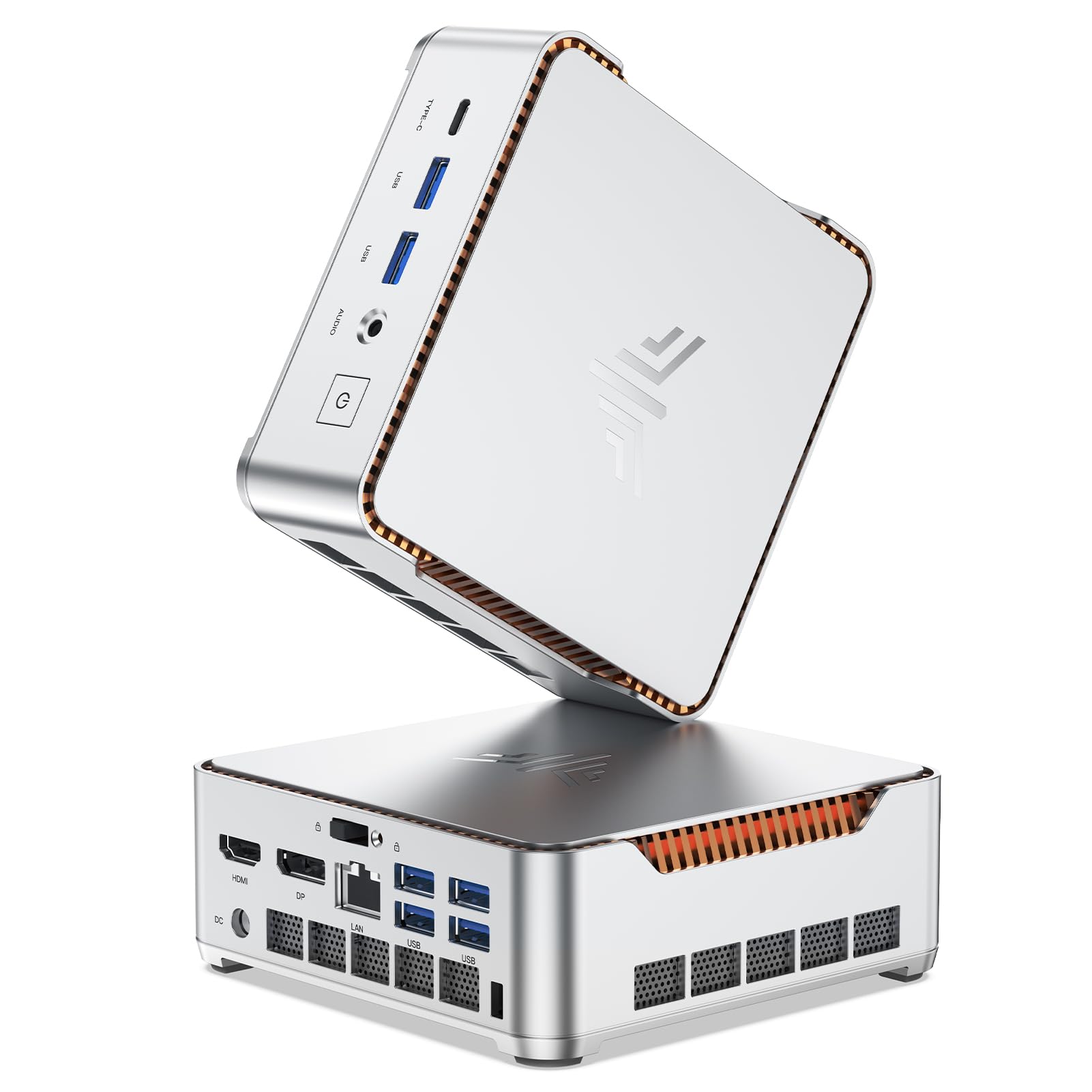
NiPoGi P2 Mini PC Windows 11 Pro Mini PC AMD Ryzen 4300U (Βeat N95/N150/3300U,up to 3.7GHz) 16GB RAM+512GB SSD Mini Computer 4K Triple Display/HDMI+DP+USB-C/WiFi/BT4.2 for Home/Business/School
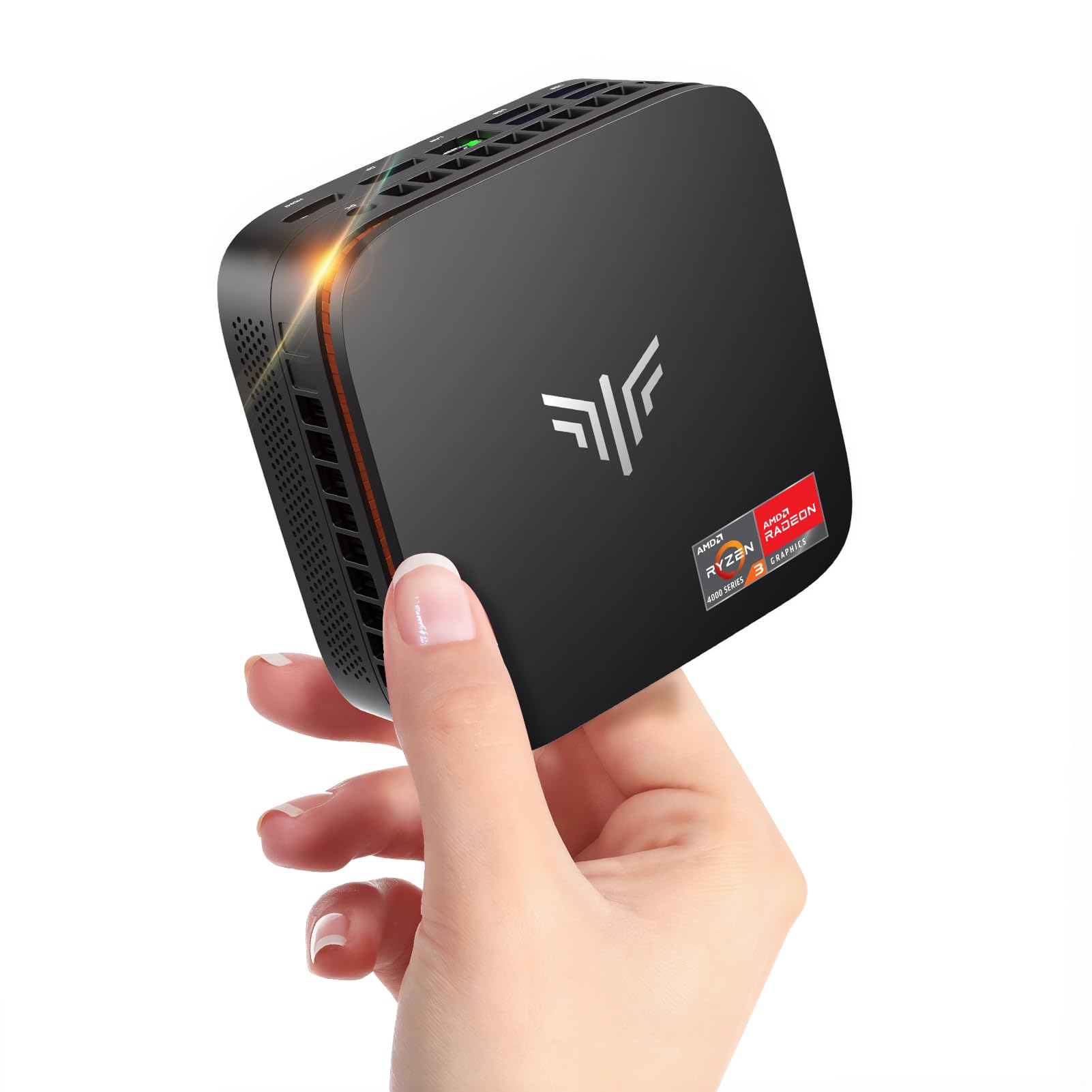
NiPoGi Pinova P1 Mini PC Windows 11 Pro,Mini PC AMD Ryzen 4300U(Up to 3.7 GHz,Βeats N150/N97),16GB RAM 512GB M.2 SSD Mini Computer,Triple 4K@60Hz Display/USB 3.2/Type-C/HDMI/WiFi/BT for Life
Our Recommendation
The NiPoGi P2 is the recommended choice due to its superior display versatility and slightly higher user satisfaction ratings. Its ability to connect multiple displays easily makes it ideal for professional and multitasking environments. Additionally, it has proven to be a more reliable option based on user reviews.
Detailed Comparison
Display
Both the NiPoGi P2 and Pinova P1 support triple 4K displays, making them suitable for multitasking and high-resolution content. However, the P2 takes the edge with its mention of 4K triple display capability, providing flexibility in connecting various peripherals, thanks to its HDMI, DisplayPort, and USB-C outputs. In contrast, the Pinova P1 emphasizes its ability to run three displays at 60Hz, which is excellent for smooth video output. Thus, if you prioritize versatility in display connections, the P2 is the winner.
Performance
Performance-wise, both models feature the AMD Ryzen 4300U processor with a maximum clock speed of 3.7GHz and come with 16GB of RAM. The difference lies in the storage interface: the P2 uses a standard SSD, while the P1 utilizes an M.2 SSD, which is typically faster and more efficient. If you're looking for snappier performance and faster data transfer rates, especially when launching applications or transferring files, the Pinova P1 has the upper hand.
Build Quality and Design
Both mini PCs feature compact designs, making them ideal for limited spaces. However, the P2's slightly different design elements and connectivity options could provide a more robust user experience. Build quality for both is commendable, with sleek finishes that cater to a professional appearance. In terms of design, it’s a tie, as both products deliver a solid feel and aesthetic appeal.
Battery Life
While neither product is specifically designed for prolonged battery usage, as they are mini PCs primarily intended for stationary use, power consumption efficiency is a consideration. Neither product lists explicit battery life since they are generally used plugged in. Therefore, this dimension is not applicable, resulting in a tie.
Price and Value for Money
Both products are priced at £269.99, making them equally accessible in terms of budget. The subtle differences in performance and features could justify a preference for one over the other, depending on specific needs. Ultimately, the price point offers excellent value for the capabilities they provide, so this is another area where it remains a tie.
Game Library/Features
For casual gaming or media consumption, both mini PCs are capable, but the P1's M.2 SSD could lead to faster load times in games or applications. The P2, with its triple display support, may provide a more immersive experience for gaming setups that require multiple monitors. Given their similar hardware, this area also results in a tie, although the P2 may be slightly more appealing for gaming enthusiasts with the multi-display setup.
Overall User Experience
User ratings are close, with the P2 at 4.5/5 from 814 reviews and the P1 at 4.4/5 from 836 reviews. The P2's slightly higher rating suggests a more satisfactory experience among its users, particularly in terms of versatility and performance. However, both products have garnered positive feedback, indicating that users are generally pleased with either option. The P2 wins here for overall user satisfaction.
In summary, both the NiPoGi P2 and Pinova P1 are excellent choices for a mini PC, offering similar performance and features. The P2 edges out in display versatility and user satisfaction, while the Pinova P1 has a performance advantage with its M.2 SSD. Depending on your specific needs, one may suit you better than the other.
Buy the NiPoGi P2 Mini if...
If you need a mini PC for a workstation setup with multiple monitors, the P2's versatile display options make it a clear choice. It's also suitable if you're looking for a robust user experience with higher satisfaction ratings.
Buy the NiPoGi Pinova P1 if...
Choose the Pinova P1 if you prioritize faster storage performance with its M.2 SSD, particularly for tasks that require quick data retrieval. It’s a great fit for users who want a reliable, compact PC for everyday tasks without the need for extensive display options.
Curated by Home Server Hub on All The Top Picks
As an Amazon Associate we earn from qualifying purchases.